
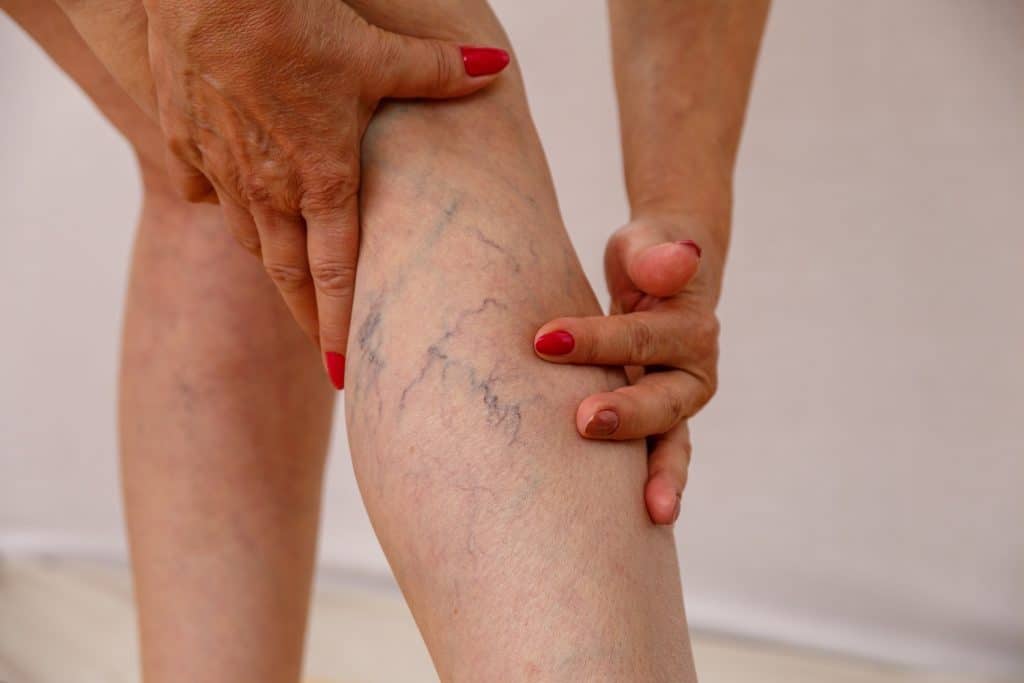
Varicose veins are swollen, twisted veins that often appear on the legs. While they are sometimes only a cosmetic concern, they can also cause discomfort or signal underlying health issues. Understanding the causes, symptoms, and treatments helps patients know when to seek care and how to manage the condition.
Causes and Risk Factors
Several factors can increase the risk of developing varicose veins:
- Genetics: Family history of vein disease makes varicose veins more likely.
- Age: As we age, veins lose elasticity and valves may weaken.
- Pregnancy: Increased blood volume and hormonal changes can put extra pressure on leg veins.
- Prolonged standing: Jobs that require long periods of standing or sitting may increase vein strain.
For more details, visit the Cleveland Clinic: Varicose Veins.
Symptoms
Common signs of varicose veins include:
- Swollen, bulging, or twisted veins visible under the skin
- Aching or heavy feeling in the legs
- Skin discoloration or itching near the affected veins
When to Seek Medical Attention
Varicose veins may require medical care if symptoms worsen. Contact a healthcare provider if you experience:
- Persistent pain that affects daily activities
- Ulcers or sores near the ankle
- Bleeding from the vein
Ignoring these signs can lead to more serious complications. The Society for Vascular Surgery provides additional guidance on vascular health.
Treatment Options
Treatment depends on the severity of symptoms and patient health. Options include:
- Lifestyle changes: Exercise, weight management, and leg elevation can reduce pressure on veins.
- Compression stockings: These improve blood flow and reduce swelling.
- Surgical procedures: Minimally invasive treatments can remove or close damaged veins.
Jackson Hospital now offers advanced vascular procedures through its Peripheral Vascular Intervention program. This outpatient procedure, led by Board Certified Interventional Cardiologist Dr. William Dixon, treats peripheral artery disease by removing plaque buildup in arteries leading to the legs. Performed in the hospital’s Hybrid Operating Room, this service reduces the need for patients to travel for specialized care. Read more in our announcement: Peripheral Vascular Intervention Now Offered at Jackson Hospital.
Prevention Tips
While not all cases are preventable, healthy habits can reduce risk:
- Engage in regular exercise to promote circulation.
- Elevate your legs after long periods of standing or sitting.
- Maintain a healthy weight to reduce pressure on leg veins.
For additional educational resources, visit the American Vein & Lymphatic Society.
Varicose veins are common, but they should not be ignored if symptoms worsen. Early intervention can prevent complications and improve quality of life. To learn more or schedule an appointment, visit our Contact Us page.
Frequently Asked Questions
What are varicose veins?
Varicose veins are swollen, twisted veins that usually appear on the legs and may cause discomfort.
What causes varicose veins?
They can be caused by genetics, aging, pregnancy, or prolonged standing that weakens vein valves.
Are varicose veins dangerous?
Many are harmless, but untreated cases may lead to ulcers, bleeding, or serious vascular problems.
How are varicose veins treated?
Treatment ranges from lifestyle changes and compression stockings to minimally invasive procedures.
Can varicose veins be prevented?
While not always preventable, exercise, weight control, and leg elevation can reduce risk.
When should I see a doctor for varicose veins?
Seek care if you have pain, ulcers, bleeding, or skin changes near affected veins.
Do varicose veins go away on their own?
They typically do not go away without treatment, but symptoms may be managed with lifestyle changes.
Are there non-surgical treatments for varicose veins?
Yes, compression stockings, exercise, and weight management can help relieve symptoms.
How can lifestyle changes help with varicose veins?
Healthy habits improve circulation, reduce vein pressure, and ease discomfort.
What are the risks of untreated varicose veins?
Risks include ulcers, bleeding, skin damage, and progression to chronic venous insufficiency.